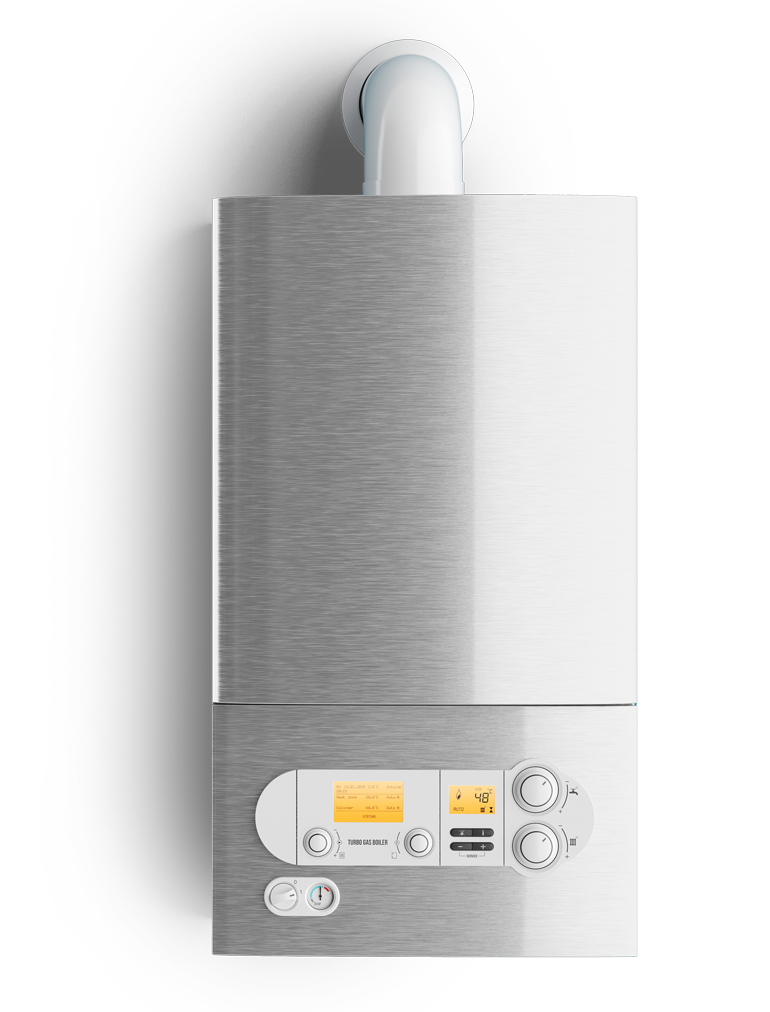
A sealed central heating system holds a fixed volume of water under pressure. When cold, the gauge normally reads somewhere between 1.0 and 1.5 bar, rising a little as the system heats up. If you are topping the system up every few weeks, water is escaping somewhere — or the system can no longer manage the expansion properly.
What normal pressure looks like
Check the gauge when the heating has been off for a few hours. Most manufacturers expect around 1.0 to 1.5 bar cold, and it is normal to see it climb towards 2.0 bar when the system is hot. A slow drift downwards over many months is not unusual. A drop over days is worth investigating.
Common causes of pressure loss
A leak on the system
This is the most common cause. Leaks are often small and slow — a weeping radiator valve, a joint under a floorboard, or a corroded radiator that stains the paintwork beneath it before it ever drips visibly. Look for damp patches, rust marks below valves and discolouration on skirting boards.
Recently bled radiators
Bleeding radiators releases air and lowers pressure. If you have just bled the system and topped it back up once, that is expected and not a fault.
A failed expansion vessel
The expansion vessel absorbs the increase in volume as water heats. When the internal air charge is lost, pressure swings sharply — high when hot, low when cold — and the pressure relief valve may discharge. An engineer can test and often recharge the vessel.
A leaking pressure relief valve
If water is dripping from the small copper pipe that discharges outside, the pressure relief valve is passing. That water is coming straight out of your heating system, which is why the gauge keeps falling.
A faulty filling loop
Less common, but a filling loop left slightly open or a failed valve can cause pressure to rise rather than fall — worth checking if your readings are unusually high.
Safe checks you can make yourself
- Read the gauge when the system is cold and note the figure
- Walk around every radiator and look underneath for damp or rust marks
- Check the pipe from the boiler that discharges outside for dripping
- Look under the boiler itself for any sign of water
- Check whether the pressure rises unusually high when the heating is running
- Keep a short written record of readings over a week — it helps us diagnose the fault
Never remove the boiler casing or attempt any work inside the appliance. Gas appliances must only be worked on by a Gas Safe registered engineer.
Topping up the pressure
Repressurising a system using the filling loop is a routine task described in your boiler manual, but it is only a temporary measure while the cause is found. Repeated topping up introduces fresh oxygenated water into the system, which accelerates corrosion and sludge formation — so the underlying leak is worth fixing sooner rather than later.
When to call an engineer
- You are topping the system up more than once a month
- You can see water under the boiler or around a radiator
- The discharge pipe outside is dripping
- Pressure swings sharply between hot and cold
- The boiler locks out on low pressure and will not restart
If any of those apply, give us a call. We locate the cause, explain what needs doing and put it right — with no call-out charge.
Written by the engineering team at Newcastle Boiler Maintenance Ltd, Gas Safe registered heating engineers in Newcastle upon Tyne.